Yoshiaki ITO
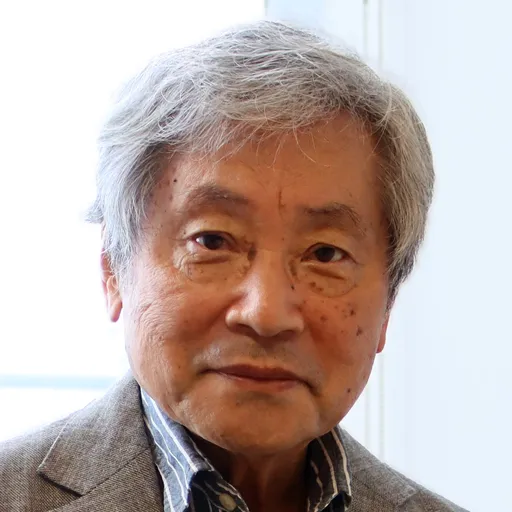 | Prof. Yoshiaki ITO Cancer Science Institute Singapore |
Biosketch
Professor Ito obtained his MD PhD from Tohoku University, Japan, and studied in Duke University, USA, Imperial Cancer Research Fund Laboratories, UK and National Cancer Institute, USA. He became Professor in 1984 in the Institute for Virus Research, Kyoto University and served as Director between 1995-2001. In 2002, he moved to Institute of Molecular and Cell Biology in Singapore and served as Director of Oncology Research Institute, National University of Singapore (NUS) between 2002 and 2008. He is now Senior Principal Investigator at the Cancer Science Institute of Singapore, NUS.
His area of research is in the elucidation of the molecular mechanism of carcinogenesis. He discovered the major oncoprotein of polyomavirus, middle T antigen (MT) which is membrane bound, in 1977, that suggested that oncogenic signal could be elicited from cell surface membrane. This partly contributed to the Nobel Prize for his mentor, Renato Dulbecco. In subsequent years, multiple Tyrosine kinase receptors were cloned to establish the importance of membrane bound oncogenes in carcinogenesis. He then characterized the properties of polyomavirus; he managed to grow polyomavirus mutants in embryonal carcinoma cells, where the wild-type virus was unable to grow. From the analysis, he discovered RUNX transcription factors in 1993 that are developmental regulators often involved in cancer. Prof. Ito’s studies revealed that RUNX3 is a gatekeeper of gastric, lung, colon and breast cancers.
Recently, Prof. Ito’s group discovered that RUNX is involved in the DNA repair of Fanconi anemia pathway and regulation of mitosis. Furthermore, RUNX1 enhancer element was shown to target tissue stem cells in the stomach and other organs in 2017. Aided by the RUNX1 enhancer element, Prof. Ito’s group identified the cytoskeletal scaffold protein, IQGAP3, to be present in rapidly proliferating stomach corpus stem cells and other tissues in 2020. Furthermore, IQGAP3 is expressed in rapidly proliferating parts of cancer cells in gastric as well as virtually all types of cancer. Currently, IQGAP3 is evaluated as a potential target of drug development.